Orange EV in Riverside moving to Kansas City, Kansas
As reported by Kevin Barry, Fox4 Kansas City, November 18, [...]

As reported by Kevin Barry, Fox4 Kansas City, November 18, [...]
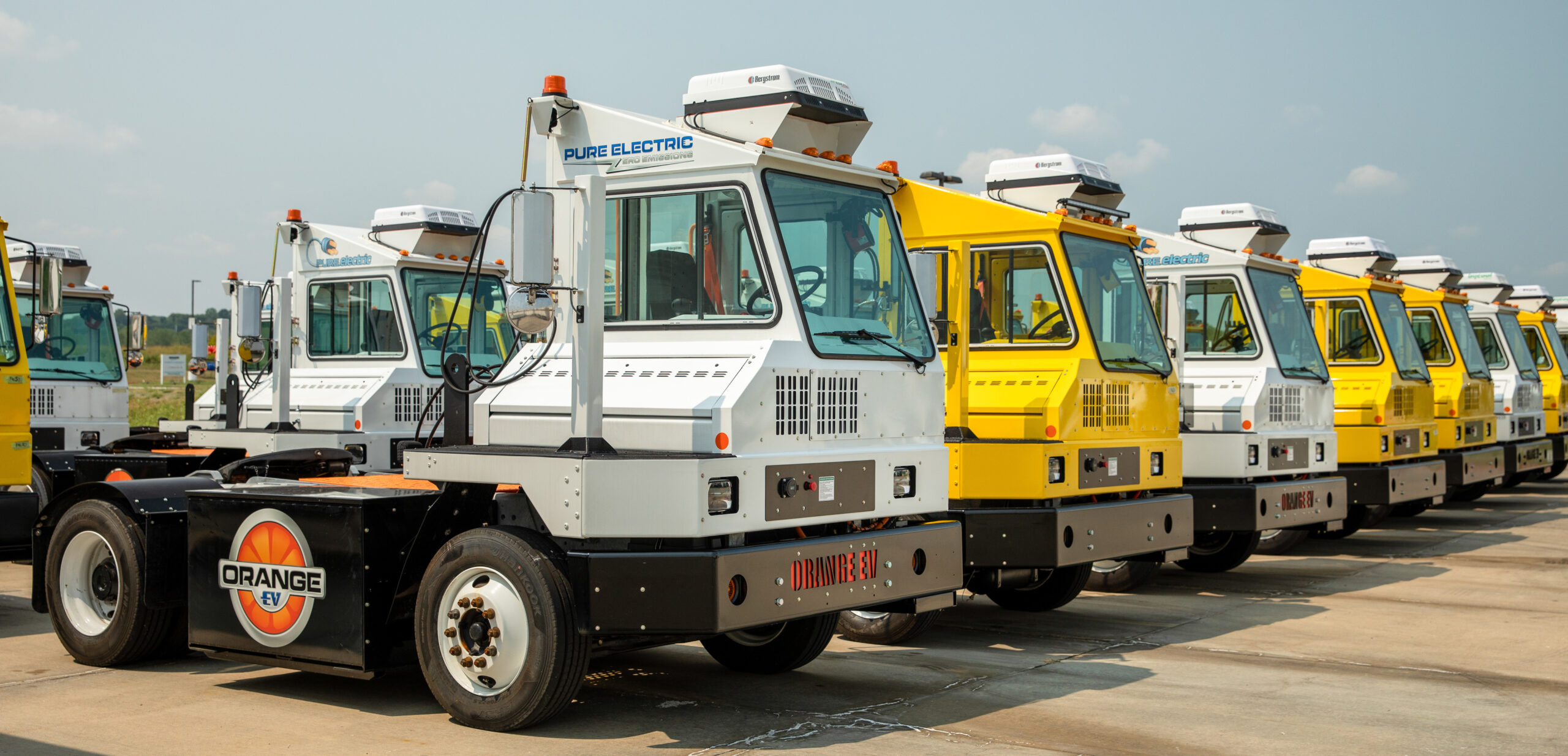
While over-the-road heavy duty electric trucks are still being developed, pure electric yard trucks are already ramped up and providing well-established benefits: they’re more comfortable to drive than their diesel counterparts, have lower operating costs, and produce zero emissions. And hard data from these deployments prove that electric yard trucks can pencil out in short order, even without incentives. Yard trucks are generally off-road vehicles that work at speeds under 25 mph moving trailers and shipping containers. These vehicles typically operate within the confines of a yard focused on warehousing, distribution, manufacturing, or intermodal transfer. In these scenarios, diesel yard trucks are particularly inefficient, while the low-speed operation, frequent starts and stops, and close proximity to charging stations are an excellent fit for battery electric yard trucks. Calculating payback speed – the length of time needed to recoup the higher up-front cost of electric over diesel – depends on each fleet’s unique duty cycle and cost structure. The primary variables include: Taking these variables into account, electric yard trucks have already been delivering a lower total cost of ownership (TCO), even at moderate-use sites, and even without incentives. Payback can be three to four years at moderate-use sites and even faster for heavy-use operations. Here’s a simple scenario to illustrate this point: Let’s start with the upfront cost. A fleet can purchase a new Tier 4 diesel yard truck for $120,000, while the cost of an electric yard truck could be $270,000, including charging and infrastructure costs. With the right charger selection, most sites will already have the electrical capacity required for initial electric yard truck deployments, so these locations will require minimal additional infrastructure for charging. The incremental upfront cost of electric over diesel is $150,000 per truck. Now we’ll add the fuel cost. Electricity costs much less than diesel, and EVs are much more energy efficient than internal combustion engines. These advantages result in an 85%-90% reduction in fuel expenses. In a moderate two-shift operation, one diesel yard truck can operate 4,000 hours per year, generating diesel fuel costs of $28,000 (at 1.75 gal/hr and $4.00/gal) compared to an electricity cost of $3,360 for the electric yard truck (at 7 kWh/hour and $0.12/kWh). The fuel savings adds up to $24,640 per year, in favor of the electric yard truck. If we look at a busier use case and more recent diesel prices, such as 6,000 hours per year and $5.50/gallon for diesel in California, the annual fuel cost savings would be over $50,000. Operations like this will see even greater savings and faster payback. , Bolthouse Farms concurrently deployed new electric and diesel yard trucks. This direct, 2-year comparison revealed an 80% reduction in M&R costs with electric yard trucks, generating net savings of $3.15/hour. Sound too good to be true? When you think about where the savings come from, it makes perfect sense: M&R savings for one electric yard truck would equal $12,600 per year at a $3.15/hour reduction over 4,000 hours of operation. Note that this case study used internal labor rates. Where outsourced maintenance costs more, savings will be even greater. Some fleets have reported M&R savings of up to $6.50/hour. In the same case study referenced above, Bolthouse documented a 75% reduction in downtime with electric yard trucks. It’s not uncommon to hear of diesel yard trucks being down 20% of the time, while Orange EV electric yard trucks average just 1-2% downtime. This dramatic reduction in downtime is achieved through a combination of more reliable parts, avoiding repair-prone diesel components, and speedy repairs done on-site using a fleet of mobile service technicians. The direct cost of diesel downtime repairs is captured in the M&R budget, but additional expenses are incurred from lost productivity, late deliveries, and the need to either rent replacement trucks or purchase and manage more diesel trucks than strictly necessary, to cover for diesel yard trucks stuck in the shop. Add to this the many diesel-related costs that are minimized or eliminated with electric: diesel fuel management, emissions- or spill-related fees and fines, hazmat cleanup, liability and workers’ comp claims, etc. These savings can conservatively total at least $10,000 per year, in favor of electric yard trucks. Diesel yard trucks are hard on drivers due to the drivers’ continuous exposure to: All of these impacts are eliminated with electric trucks, increasing driver health and well-being while positively influencing productivity, job satisfaction, and employee retention. Reduced noise and emissions also benefit other site personnel and the surrounding community. These soft dollar savings are real, but harder to quantify, so we’ll leave them out of this simple calculation. In this example, the savings from using electric yard trucks add up to $47,240 per year, giving a payback of 3.2 years for the $150,000 incremental cost. Making small changes to this scenario will increase the savings realized and further accelerate the payback: Of course, this is a simplistic view. From a cost basis perspective, it’s important to factor in asset depreciation and interest, warranties, and site-specific data when available. Will the payback for electric yard trucks be about three years in every case? No. But the savings and benefits are proven and real. Taking the time to run the numbers to guide your decision can result in a competitive advantage, a safer, healthier work environment, and meaningful, measurable steps towards sustainability goals. Even lower-use operations can pencil out, and when budgets don’t have room for the higher up-front cost of electric yard trucks, leasing can be a very helpful solution. Incentives can also help defray costs, but they come with uncertainty, restrictions, and quite often, a long timeline. Competition is increasing for grants and vouchers, and if awarded, fleets may have to wait six months or more to deploy their new trucks, losing out on months of operational savings and emissions reductions. Independent studies also confirm the real-world savings reported by fleets operating electric yard trucks. According to the December 23, 2021 release of “Charging Forward: BEV & FCEV Forecast and Analysis, 2nd Edition” by ACT Research, battery-electric powered yard trucks in 2021 provided a better TCO than diesel-powered versions. Electric yard trucks have proven they can do the job, with over 400 trucks deployed across the U.S. in harsh climates, 24×7 operations, and all sectors of goods movement. Given their compelling benefits and lower total cost of ownership, electric yard trucks are well on their way to becoming the industry standard. The time to switch is now. Published: { "@context": "", "@type": "ImageObject", "contentUrl": "", "name": "Multiple Orange EV Yard Trucks", "description": "Orange EV pure electric yard trucks", "provider": { "@type": "Organization", "name": "Orange EV", "url": "", "image": "" } } { "@context": "", "@type": "WebPage", "mainEntityOfPage": { "@type": "WebPage", "@id": "" }, "headline": "Electric Yard Trucks Are Delivering Lower TCO, Even Without Incentives", "image": [ ], "datePublished": "2022-05-02T12:47:37+00:00", "author": { "@type": "Organization", "name": "Orange EV" }, "publisher": { "@type": "Organization", "name": "Orange EV", "logo": { "@type": "ImageObject", "url": "" } }, "description": "The electrification of the trucking industry is ramping up, and while the prospect of electric over-the-road fleets crisscrossing the nation’s highways is exciting, it’s definitely a work in progress. Many questions remain to be answered including range, charging options, performance in extreme temperatures, battery pack weight, and time required to achieve payback.", "keywords": "Electric Yard Trucks Are Delivering Lower TCO, Electric Yard Trucks, Electric Trucks, Pure Electric Yard Trucks, Yard Truck, Electric Yard Truck, Yard Trucks, diesel yard trucks, electric trucks, orange evelectric vehicle, EV" }
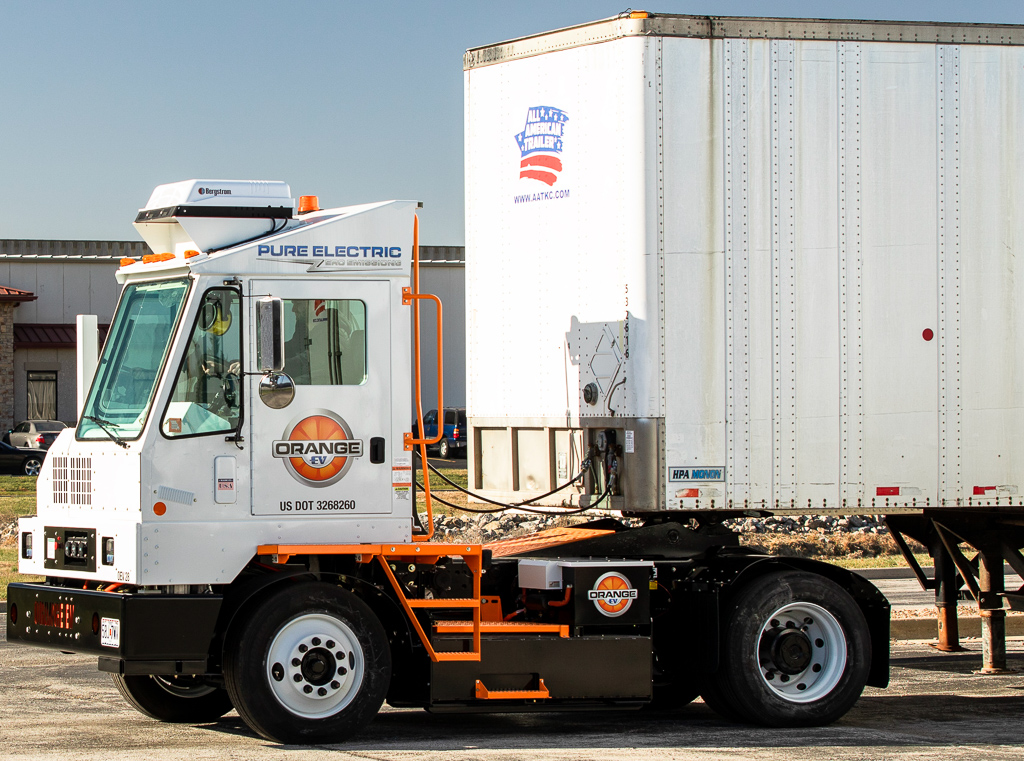
The transition to electrification for the transportation industry is underway. One of the most successful applications of this revolution can be found in the rapidly growing usage of electric yard trucks, also known as terminal tractors, yard hostlers and many other names. The speed of adoption may surprise some, with Orange EV electric yard trucks already being used by more than 100 fleets. This scale of deployments has provided plenty of cold weather use case examples, including sites in Minnesota at temperatures of -33° Fahrenheit. As more and more data comes in, it’s proving that as long as the right choices are made upfront and the right behaviors are implemented on-site, an EV yard truck can be superior, regardless of the climate. Concerns about performance in extreme cold are not unique to battery electric vehicles. For diesel-powered trucks, the negative impacts of cold weather are very well known: Lithium batteries, like the Lithium iron phosphate batteries used in Orange EV yard trucks, produce no local polluting emissions, and sites don’t have to worry about liquid fuel spills. Electric motors never need to idle, and electric heaters can warm up the cab much faster than a cold diesel engine might. And, of course, there are the financial savings, with the electricity to power an EV yard truck costing 85-90% less than diesel fuel. The EV truck’s performance shouldn’t be any different in cold weather, but what is different is the increased energy consumption that occurs from two primary factors: Heating the batteries and heating the cab. All Orange EV yard trucks come with built-in battery heaters that keep the batteries from getting too cold, even when there are sub-zero temperatures outside. Then using the in-cab heat will logically use more energy to keep the driver comfortable during colder weather. Proper battery management and charging behaviors are especially key to the successful operation of a fleet of electric yard trucks in cold weather, but are important regardless of temperature, so we work closely with our customers to spec their truck and train their drivers. That said, it really comes down to these simple tips: Through 6 years of deployments and trucks running in wintry sites including Chicago, Buffalo, Minnesota, and Ontario, Canada, these steps have led to proven success. Our customers report dramatic reductions in their maintenance costs when using our EV trucks versus their diesels. Consider also that the strain and costs to maintain a diesel yard truck are even greater when it’s deployed in a cold, rough environment. Fleets may be initially skeptical when they hear about maintenance savings around 75%, but then they think more about what parts of their diesel truck drive most of their repair costs and downtime pain. Here’s a list of some of the components and fluids that you will not find in an Orange EV electric yard truck (note that some EV OEMs may still include some of these parts): Imagine if the maintenance and repair costs for all of these items were zero for the life of your truck – even in frigid deployment locations. That’s what it can be like with an EV Yard Truck. Any way you look at it, electric yard trucks can fit in perfectly with your current operations, even if they take place in a harsh, cold environment. Yard trucks are an ideal EV application, without any range anxiety, and supported by learnings and improvements from six years in market. Electric yard trucks provide you with clean, efficient, reliable, quiet, and cost-effective performance, while eliminating the hassles, noise, smells, and high fuel and maintenance costs of diesel yard trucks. What are you waiting for? Everyone from your drivers to your CFO and CEO will thank you for making the switch. Published: { "@context": "", "@type": "ImageObject", "contentUrl": "", "contentlocation": "United States", "url": "", "name": "Orange EV Class 8 Yard Trucks", "description": "White electric yard truck with trailor", "provider": { "@type": "Organization", "name": "Orange EV", "url": "", "image": "" } } { "@context": "", "@type": "ImageObject", "contentUrl": "", "contentlocation": "United States", "url": "", "name": "OrangeEV_Truck_Driver_ChargingApp_1_13_22-1400", "description": "Orange EV truck and a driver charging an electric truck at a charging station", "provider": { "@type": "Organization", "name": "Orange EV", "url": "", "image": "" } } { "@context": "", "@type": "ImageObject", "contentUrl": "", "contentlocation": "United States", "url": "", "name": "Orange-EV---Dimension-Fabricators---Terminal-truck-pulling-load-1400", "description": "Dimension Fabricators Terminal truck pulling load 1400", "provider": { "@type": "Organization", "name": "Orange EV", "url": "", "image": "" } } { "@context": "", "@type": "ImageObject", "contentUrl": "", "contentlocation": "United States", "url": "", "name": "Orange-EV-OEV_ProductionLinePhoto_1_13_22-1400", "description": "Orange EV pure electric fleet inside a warehouse", "provider": { "@type": "Organization", "name": "Orange EV", "url": "", "image": "" } }
Orange EV, the leader in innovative, heavy duty electric vehicle (EV) solutions that are commercially available today, has announced a multi-year agreement with -based Lazer Spot, Inc. to manufacture and deliver more than 25 EV trucks in 2021 and 2022. Lazer Spot, the largest yard management firm in the U.S., sought a mature EV partner that could deliver a fleet of zero emission EV yard trucks that could be immediately put to work. Orange EV's leadership in this market segment complements Lazer Spot's commitment to innovation in the yard management industry and the drive of both organizations to provide their customers superior solutions around performance, service, cost, and support of sustainability goals. The Lazer Spot agreement is a declaration that the future of the yard truck is electric. The company committed to a long-term supply agreement with Orange EV because its trucks have proven to be the best in the industry. Lazer Spot has had Orange EV trucks in service for multiple years with great success, according to Orange EV. "Orange EV is clearly the industry leader for electric yard truck innovations. They invented and manufactured the first one. Our past successful experience with them allows Lazer Spot to stay ahead and ensure we're utilizing proven technology and receiving the best-performing and most reliable electric yard trucks available today," said Lazer Spot CEO . Lazer Spot is prepared to eliminate diesel emissions in a way that also helps its customers' bottom lines. Electric yard trucks are the perfect application of EVs because they: "Orange EV is proud to provide Lazer Spot with clean solutions that are good for the bottom line," said Orange EV CEO . "While other EV trucks are early-stage, Orange EV has a proven track record, delivering trucks that are both environmentally and economically sustainable, with demonstrated lower total cost of ownership." Based on Orange EV's data and customer case studies from its first 6 years of deployment, its customers are benefitting from more than a 75% reduction in downtime versus diesel yard trucks, and as much as an 80% reduction in maintenance and repair costs. Plus, using electricity instead of diesel is saving about 90% in fuel-related costs. Orange EV expects the next round of trucks to be delivered to Lazer Spot starting in Q4 2021. Headquartered in . { "@context": "", "@type": "ImageObject", "contentUrl": "", "contentlocation": "United States", "url": "", "name": "Lazerspot", "description": "lazer spot", "datePublished": "2021-07-30", "provider": { "@type": "Organization", "name": "Orange EV", "url": "", "image": "" } }
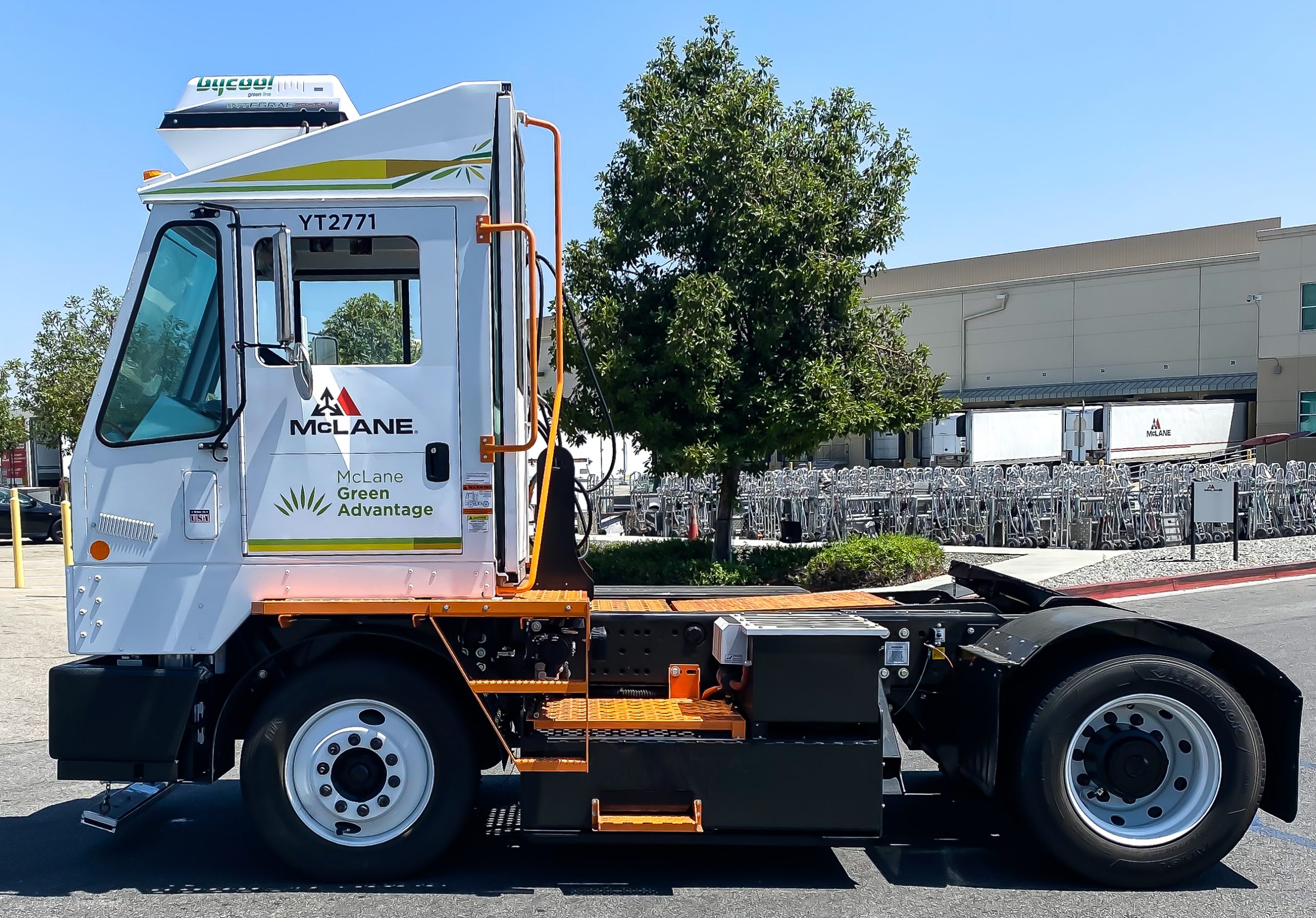
{ "@context": "", "@type": "ImageObject", "contentUrl": "", "contentlocation": "United States", "url": "", "name": "McLane Orange EV Class 8 Pure Electric Terminal Truck", "description": "McLane Orange EV Class 8 Pure Electric Terminal Truck", "datePublished": "2022-04-25", "provider": { "@type": "Organization", "name": "Orange EV", "url": "", "image": "" } }
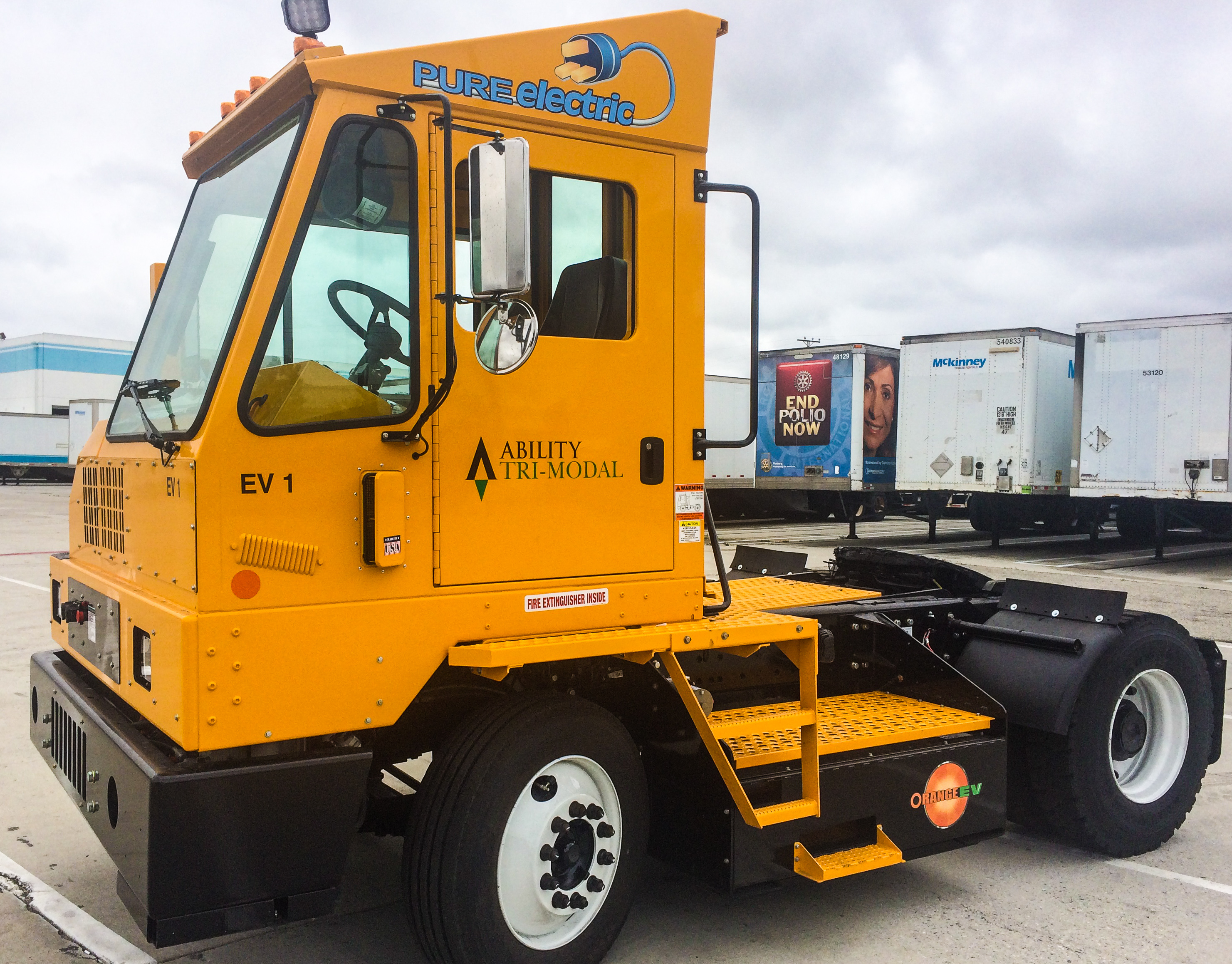
KANSAS CITY, MO and CARSON, CA, June 20, 2018 - to three of Tri-Modal’s warehousing and distribution facilities, a combined 750,000 square feet of warehouse space close to the Ports of Los Angeles and Long Beach. Continuously seeking versatile solutions and operational excellence, Ability Tri-Modal has deployed the heavy-duty electric trucks to reduce carbon footprint while decreasing costs. “The Orange EV trucks are a solution-based purchase,” said Greg Owen, owner and Head Coach of Ability Tri-Modal. “They’re going to give us a return on investment.” “Ability Tri-Modal is a clear leader and innovator in clean transportation” said Mike Saxton, Orange EV’s Chief Commercial Officer. “It’s been an honor to work with Greg Owen and his team to put in service the first commercially-deployed, 100% electric Class 8 trucks directly supporting the California ports of Los Angeles and Long Beach.” Ability Tri-Modal uses ten terminal tractors for yard management, which operate up to 20 hours per day, five days a week. Said Owen, “The yard truck is the hardest-working piece of equipment in our fleet, and it’s also the most affected by increasingly strict environmental regulation.” Bob Krug, Maintenance Director for Ability Tri-Modal, added, “With older diesels, wear-and-tear and rough use were the main issues. With the newer ones, 90% of the problems are related to emissions control technology.” “For the last 12 years or more, we’ve had two or three diesels down at any one time,” Owen stated. “We needed a solution, and until Orange EV, no one had answers.” In their ongoing search for an economic, reliable alternative to diesel, Tri-Modal began tracking electric yard truck development. According to Owen, “Initial port demonstration projects were disappointing due to the early technologies. We then spoke with fleets that have been heavily operating Orange EV trucks for years, proving that Orange EV’s newer technology does the job. These fleets indicate that downtime is minimal, maintenance and fuel costs are reduced, and Orange EV is committed to both their customers and ongoing product development. Orange EV provides a solution to the increased costs associated with diesel equipment.” Moderate-use sites report annual savings of $30,000 per Orange EV truck in fuel, maintenance, and emission control related costs; heavier-use sites can save much more. With five electric yard trucks managing trailers at multiple Tri-Modal facilities, Krug concluded, “The Orange EV trucks have been perfect, going above and beyond expectations. We’ve had no issues and the drivers love them.” The Orange EV deployment is just the latest initiative in Ability Tri-Modal's efforts to “think green” like the Port of Long Beach, operating as efficiently and sustainably as possible. The company has been honored on multiple occasions by the Ports of Los Angeles and Long Beach for early adaptation to the ports’ Clean Trucks Program, and operates a 100% clean truck fleet, in compliance with rigorous port and state requirements. Looking to the future, Tri-Modal plans to install solar panels to charge its growing fleet of electric equipment with electricity generated on-site. Ability Tri-Modal utilized funding from the Hybrid and Zero-Emission Truck and Bus Voucher Incentive Project (HVIP) to purchase their Orange EV trucks. HVIP is currently open, offering incentive amounts of up to $175,000 per Orange EV terminal truck. specializes in in trans-loading, consolidation and de-consolidation, warehousing, retail delivery, and a variety of value-added services. With operations in Carson, California and Ladson, South Carolina, Ability Tri-Modal is a proven, award-winning transportation company that is rooted in its devotion to superior customer service. The company continuously meets and exceeds expectations through highly versatile customer solutions, operational excellence, and results-driven attitude. Ability Tri-Modal’s motto, “Service Above Self” fuels the passion, innovation, and mission to execute measurable benefits to the customer. Kansas City based terminal trucks, Orange EV was the first and is still the only manufacturer offering 100% electric Class 8 vehicles that have been commercially deployed and re-ordered into container handling operations. { "@context": "", "@type": "ImageObject", "contentUrl": "", "url": "", "contentlocation": "US", "name": "Ability Tri-Modal Deploys Five Orange EV Electric Yard Trucks to Carson, California Distribution Operations", "description": "Orange EV yellow tri-modal electric yard truck", "provider": { "@type": "Organization", "name": "Orange EV", "url": "", "image": "" } } { "@context": "", "@type": "ImageObject", "contentUrl": "", "url": "", "contentlocation": "US", "name": "Ability Tri-Modal Deploys Five Orange EV Electric Yard Trucks to Carson, California Distribution Operations", "description": "Orange EV yellow tri-modal electric yard truck", "provider": { "@type": "Organization", "name": "Orange EV", "url": "", "image": "" } }