
Terminal Tractors are Ideal for Fleet Electrification

2025-10-13T11:21:54-05:00March 14, 2022|Terminal Trucks|

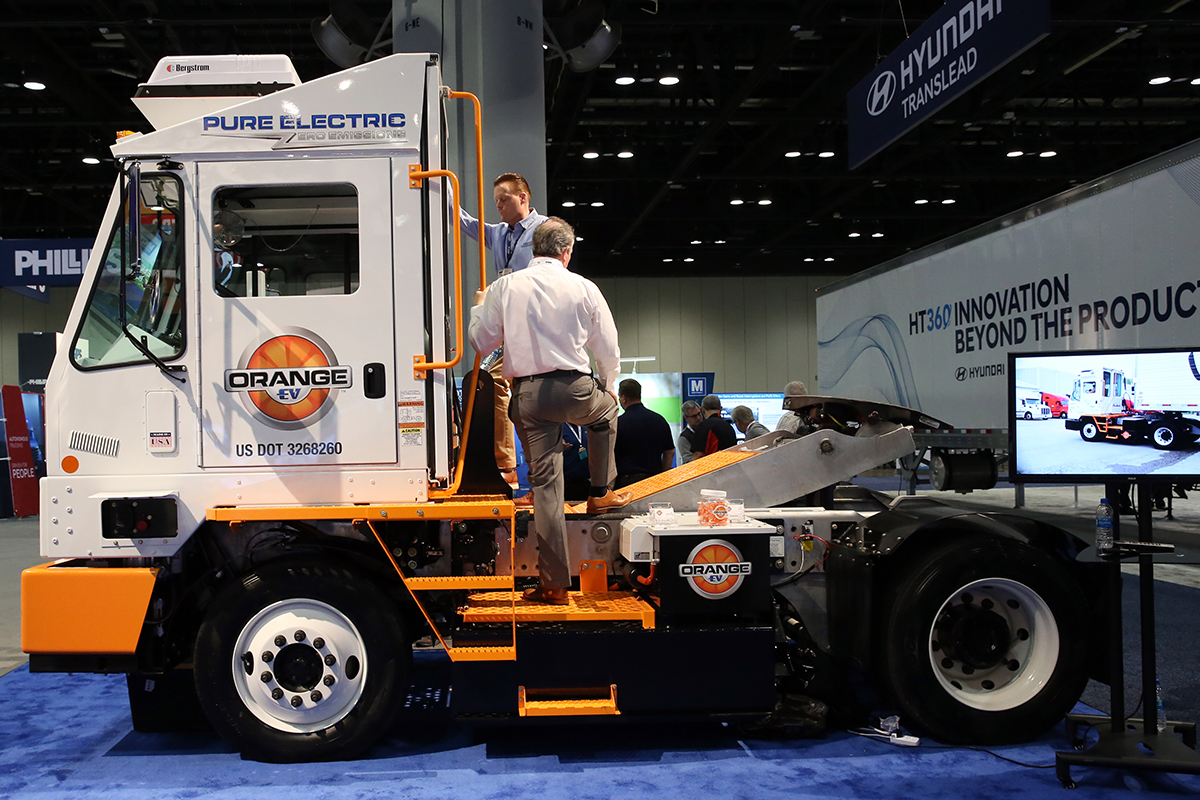
In addition to their environmental benefits, zero-emission electric yard vehicles also get high marks from drivers and come with lower maintenance costs than their diesel counterparts. Those were some of the top findings of a new NACFE report released March 6 at the Technology & Maintenance Council 2022 Annual Meeting & Transportation Technology Exhibition. TMC is part of American Trucking Associations. “What we concluded is are ready now, and an excellent place for fleets to move forward with electric trucks,” Mike Roeth, NACFE’s executive director, said during a TMC press conference introducing the report. That evaluation of terminal tractor electrification is among the takeaways from NACFE’s Run on Less Electric demonstration in September 2021, which involved 13 fleets operating battery-electric trucks in a range of different applications across six U.S. states and two Canadian provinces. The report on electric terminal tractors is the first in a series of four planned NACFE reports, one on each electric truck market segment involved in Run on Less Electric. NACFE said it will publish separate reports on vans and step vans, medium-duty box trucks and heavy-duty regional tractors in the coming months. Many companies that run heavy-duty tractors and other vehicle types also operate yard tractors at their terminals or warehouses. Introducing electric terminal tractors can help those companies pave the way for other applications that might be more challenging, such as electric regional-haul Class 8 tractors, Roeth said. “It’s just a great place to buy one, two or 10, and start that electrification journey,” he said. Roeth said terminal tractors are an ideal duty cycle for electrification for a number of reasons. Notably, the vehicles generally operate within logistics yards and transport relatively light loads at low speeds. Plus, drivers said they felt safer operating electric yard tractors because the vehicles are quieter, making it easier to hear their surroundings. They also said they felt less fatigued at the end of the day. “Drivers rave about these vehicles,” Roeth said. “They just love driving them.” Electric yard tractors can reduce maintenance costs as well, he added. Terminal use is a difficult duty cycle for diesel aftertreatment systems, he said, in part because it involves a lot of idling. Plus, electric terminal tractors are a particularly good fit for companies that already are using electrified materials handling equipment such as electric forklifts or robotics. “This is just a natural evolution to go outside of the plant or the warehouses,” Roeth said. Fleets also can benefit from “opportunity charging” by plugging the vehicle into a charging station any time it is stopped, even if it’s just a short break. To take advantage of those opportunities, some fleets are installing their chargers near drivers’ break areas so they can easily recharge the vehicle while handling paperwork or taking lunch or restroom breaks. Increasing the charge level even a little bit can help throughout the day, Roeth said. Kevin Otto, lead author of the report and NACFE’s electrification technical lead, said working with electric terminal tractors can be a great learning experience for a trucking fleet’s entire business, from operations to maintenance. “I really do believe that when it comes to learning about an electric vehicle and putting it into operation and making it work, the terminal tractor is probably the best alternative for making that happen,” Otto said. Published: { "@context": "", "@type": "ImageObject", "contentUrl": "", "thumbnailUrl": "", "url": "", "contentlocation": "US", "name": "Orange EV at TMC_from Transport Topics", "description": "Two casually dressed men are examining an Orange EV electric truck at an expo", "provider": { "@type": "Organization", "name": "Orange EV", "url": "", "image": "" } }
Electric Yard Trucks: Don’t be Afraid of the Cold

2025-10-10T14:22:36-05:00February 15, 2022|Yard Trucks|

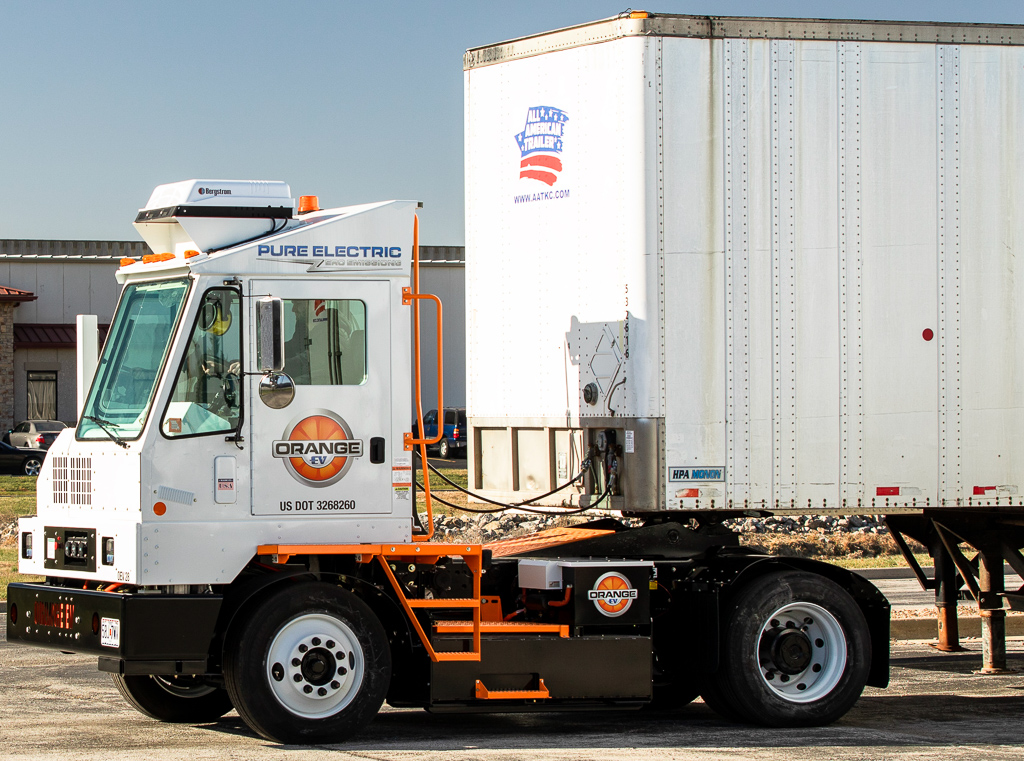
The transition to electrification for the transportation industry is underway. One of the most successful applications of this revolution can be found in the rapidly growing usage of electric yard trucks, also known as terminal tractors, yard hostlers and many other names. The speed of adoption may surprise some, with Orange EV electric yard trucks already being used by more than 100 fleets. This scale of deployments has provided plenty of cold weather use case examples, including sites in Minnesota at temperatures of -33° Fahrenheit. As more and more data comes in, it’s proving that as long as the right choices are made upfront and the right behaviors are implemented on-site, an EV yard truck can be superior, regardless of the climate. Concerns about performance in extreme cold are not unique to battery electric vehicles. For diesel-powered trucks, the negative impacts of cold weather are very well known: Lithium batteries, like the Lithium iron phosphate batteries used in Orange EV yard trucks, produce no local polluting emissions, and sites don’t have to worry about liquid fuel spills. Electric motors never need to idle, and electric heaters can warm up the cab much faster than a cold diesel engine might. And, of course, there are the financial savings, with the electricity to power an EV yard truck costing 85-90% less than diesel fuel. The EV truck’s performance shouldn’t be any different in cold weather, but what is different is the increased energy consumption that occurs from two primary factors: Heating the batteries and heating the cab. All Orange EV yard trucks come with built-in battery heaters that keep the batteries from getting too cold, even when there are sub-zero temperatures outside. Then using the in-cab heat will logically use more energy to keep the driver comfortable during colder weather. Proper battery management and charging behaviors are especially key to the successful operation of a fleet of electric yard trucks in cold weather, but are important regardless of temperature, so we work closely with our customers to spec their truck and train their drivers. That said, it really comes down to these simple tips: Through 6 years of deployments and trucks running in wintry sites including Chicago, Buffalo, Minnesota, and Ontario, Canada, these steps have led to proven success. Our customers report dramatic reductions in their maintenance costs when using our EV trucks versus their diesels. Consider also that the strain and costs to maintain a diesel yard truck are even greater when it’s deployed in a cold, rough environment. Fleets may be initially skeptical when they hear about maintenance savings around 75%, but then they think more about what parts of their diesel truck drive most of their repair costs and downtime pain. Here’s a list of some of the components and fluids that you will not find in an Orange EV electric yard truck (note that some EV OEMs may still include some of these parts): Imagine if the maintenance and repair costs for all of these items were zero for the life of your truck – even in frigid deployment locations. That’s what it can be like with an EV Yard Truck. Any way you look at it, electric yard trucks can fit in perfectly with your current operations, even if they take place in a harsh, cold environment. Yard trucks are an ideal EV application, without any range anxiety, and supported by learnings and improvements from six years in market. Electric yard trucks provide you with clean, efficient, reliable, quiet, and cost-effective performance, while eliminating the hassles, noise, smells, and high fuel and maintenance costs of diesel yard trucks. What are you waiting for? Everyone from your drivers to your CFO and CEO will thank you for making the switch. Published: { "@context": "", "@type": "ImageObject", "contentUrl": "", "contentlocation": "United States", "url": "", "name": "Orange EV Class 8 Yard Trucks", "description": "White electric yard truck with trailor", "provider": { "@type": "Organization", "name": "Orange EV", "url": "", "image": "" } } { "@context": "", "@type": "ImageObject", "contentUrl": "", "contentlocation": "United States", "url": "", "name": "OrangeEV_Truck_Driver_ChargingApp_1_13_22-1400", "description": "Orange EV truck and a driver charging an electric truck at a charging station", "provider": { "@type": "Organization", "name": "Orange EV", "url": "", "image": "" } } { "@context": "", "@type": "ImageObject", "contentUrl": "", "contentlocation": "United States", "url": "", "name": "Orange-EV---Dimension-Fabricators---Terminal-truck-pulling-load-1400", "description": "Dimension Fabricators Terminal truck pulling load 1400", "provider": { "@type": "Organization", "name": "Orange EV", "url": "", "image": "" } } { "@context": "", "@type": "ImageObject", "contentUrl": "", "contentlocation": "United States", "url": "", "name": "Orange-EV-OEV_ProductionLinePhoto_1_13_22-1400", "description": "Orange EV pure electric fleet inside a warehouse", "provider": { "@type": "Organization", "name": "Orange EV", "url": "", "image": "" } }

Go to Top