
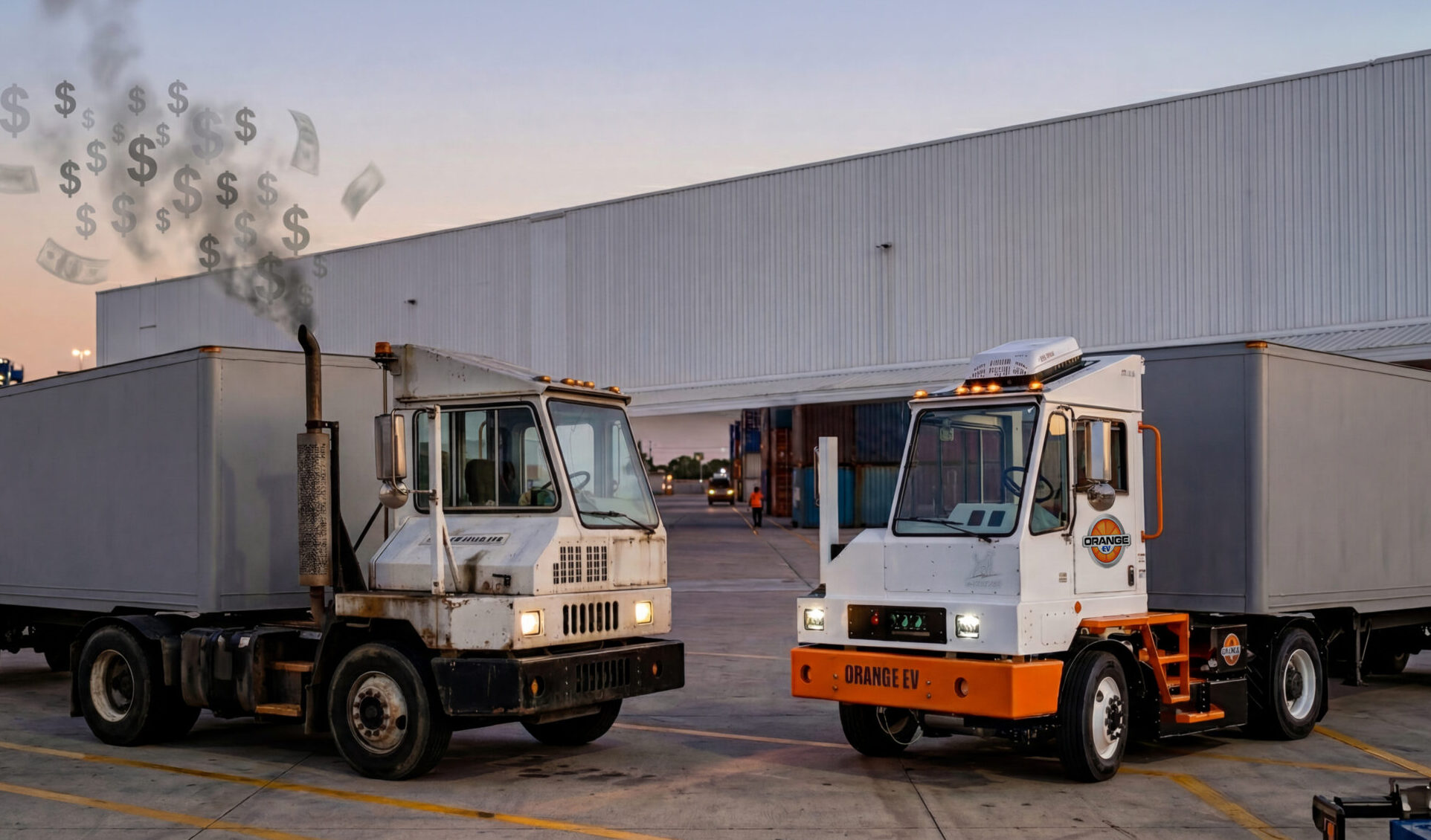
Freight operators are managing a difficult contradiction in 2026: shipment volumes are not accelerating quickly, but operating costs continue to rise. That combination puts pressure on every part of the network, including areas that historically received less executive attention, like the yard.
Recent freight data shows a market that remains uneven. The Cass Freight Index reported April shipments down 4.4% year over year, even as month-over-month activity improved. U.S. Bank’s Q1 Freight Payment Index showed shipment volume was nearly flat, while shipper spending increased sharply because of tighter capacity, higher rates, and rising fuel surcharges. (cassinfo.com)
That matters because soft volume does not make inefficiency easier to absorb. It makes inefficiency harder to defend.
When freight is booming, operators can sometimes overlook operational drag. When volume is uneven and cost pressure increases, every avoidable disruption becomes more visible. Fuel volatility, maintenance variability, unplanned downtime, offsite fueling, and reactive repair cycles create a moving cost baseline, making planning harder.
Yard trucks sit directly inside that problem.
Terminal trucks may not always get the same attention as over-the-road tractors, but they are throughput equipment. When a yard truck goes down, the impact does not stay with the truck. The trailer slows down. Dock schedules tighten. Labor efficiency suffers. Flow across the facility becomes less predictable.
For decades, many operators accepted that as part of running diesel yard equipment. But acceptance is not the same as control.
The more important question now is not whether diesel still works. The question is how much operational drag fleets are willing to keep managing.
That is why electric terminal trucks are becoming one of the clearest opportunities for operational modernization in freight. This is not about electrification for its own sake. It is about reducing fuel exposure, simplifying maintenance, improving uptime, and creating a more predictable operating model for the yard.
Orange EV has spent more than a decade proving that model in real-world yard operations. With more than 2,000 electric terminal trucks deployed across hundreds of fleets, totaling millions of operating miles and key-on hours, electric yard operations are no longer experimental. They are moving from pilot programs to standardization.
The current freight environment also makes flexible adoption models more relevant. When operators are watching capital closely, the ability to lease or rent equipment can help fleets modernize without taking on unnecessary upfront CapEx. That flexibility matters when the business case is clear, but when budget timing, procurement cycles, or market uncertainty slow decision-making, it matters even more.
In other words, a soft freight market does not eliminate the need to improve. It sharpens it.
Operators are being asked to do more with less variability, more cost control, and greater operational discipline. The yard cannot be exempt from that standard. Freight volumes may be uneven. Operating costs may remain under pressure. But the path forward is becoming clearer: reduce operational drag, improve predictability, and upgrade the systems that keep freight moving.
For many fleets, that work starts in the yard.